
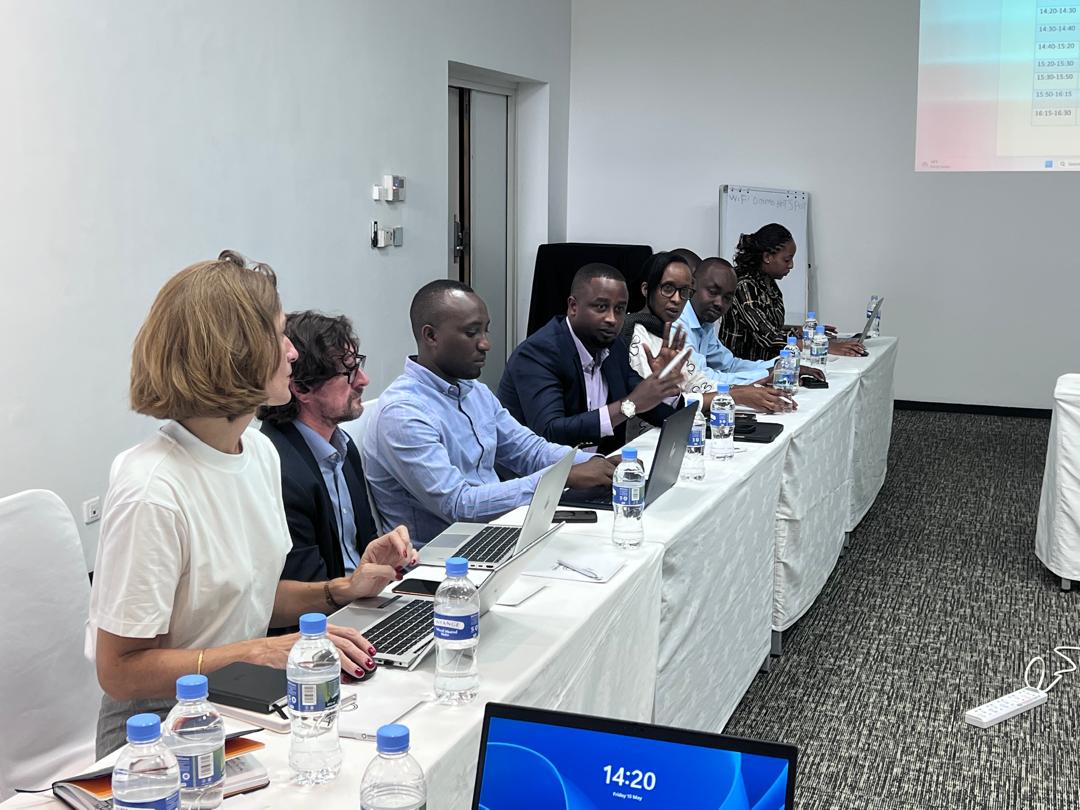
Composition of CCM Rwanda
The Rwanda Country Coordinating Mechanism (CCM-RW) comprises representatives from four key constituencies, reflecting the country's multi-sectoral approach to addressing public health threats. This inclusive governance structure ensures that decisions on Global Fund investments are guided by diverse expertise and perspectives, bringing together government institutions, development partners, civil society organizations and the private sector.
Constituency Overview
Government Sector
The Government Constituency comprises ministries and other public institutions whose mandates contribute to the prevention, control, and elimination of HIV, tuberculosis, and malaria in Rwanda.
Government representatives provide strategic policy guidance, ensure alignment with national health priorities and the Health Sector Strategic Plan, and promote effective coordination with domestic health financing.
Civil Society Organizations
The Civil Society Constituency comprises representatives of people living with HIV/AIDS, key and vulnerable populations, women and girls, youth, faith-based organizations, academic institutions, non-governmental organizations working on HIV, tuberculosis, and malaria, organizations of persons with disabilities, and the media.
This broad representation ensures that the voices and experiences of affected communities are reflected in the governance and oversight of Global Fund supported programs.
Private Sector
The Private Sector Constituency is represented by the Private Sector Federation, recognizing the sector’s important contribution to Rwanda’s national response to HIV, tuberculosis, and malaria through innovation, partnerships and workplace health initiatives.
Development Partners
The Multilateral and Bilateral Partners Constituency comprises development partners, including the World Health Organization, UNAIDS, the United States Government, and the French Embassy. These partners provide technical expertise, strategic guidance and complementary support to strengthen Rwanda’s national response to HIV, tuberculosis, and malaria.